 The New
Astronomy: Chapter 3
The New
Astronomy: Chapter 3
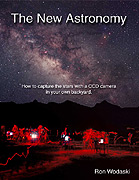
Cover photo: © Tony Hallas
Practical Imaging
Astronomical objects vary greatly in their brightness and other characteristics. This chapter includes suggestions for imaging different kinds of objects, from the sun and planets to nebulae and galaxies. You'll learn how to deal with both bright and dim objects, and how to handle light pollution and other sources of noise in your images. You'll also learn how to use optional hardware to provide better images for various types of objects.
Setting Up Your Telescope and Mount
- Collimation: First, Last, and Always
- Free-Play and End-Play Adjustments
- Backlash Adjustments
Setting Up Your Software
- Camera Setup
- Mount Calibration
- Accessory Setup/Calibration
Imaging Overview
- Signal versus Noise
- Where Does the Noise Come From?
- Improving Image Quality
- Coping with Sky Glow
 Bright Objects: Sun, Moon, & Planets
- Choosing and Using Solar Filters
- Moon and Polarizing Filters
- Other Useful Filters
- Working with a Barlow
- Using Eyepiece Projection
Deep Sky: Clusters, Galaxies, & Nebulae
- Polar Alignment for Longer Exposures
- Unguided Imaging
- Stacking Images
- Working with a Barlow
- Using Eyepiece Projection
Fun Science with a CCD Camera
- Supernova Hunting
- Double Stars
- Variable Stars
- Asteroids and Comets
- Photometry and Astometry
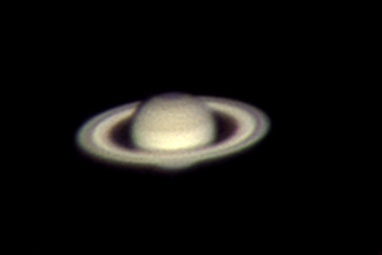
Planetary imaging demands steady skies, short exposures,
and a large number of exposures for best results.
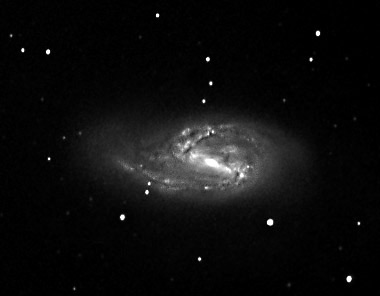
M66
This galaxy displays a hodge-podge of features that tell the story
of its history in graphic detail. This barred spiral shows evidence of
having been disrupted by a passing galaxy in the distant past.